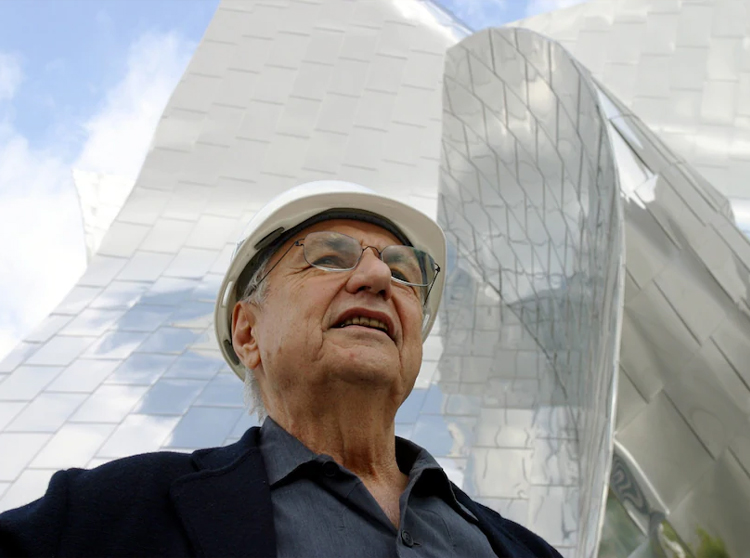









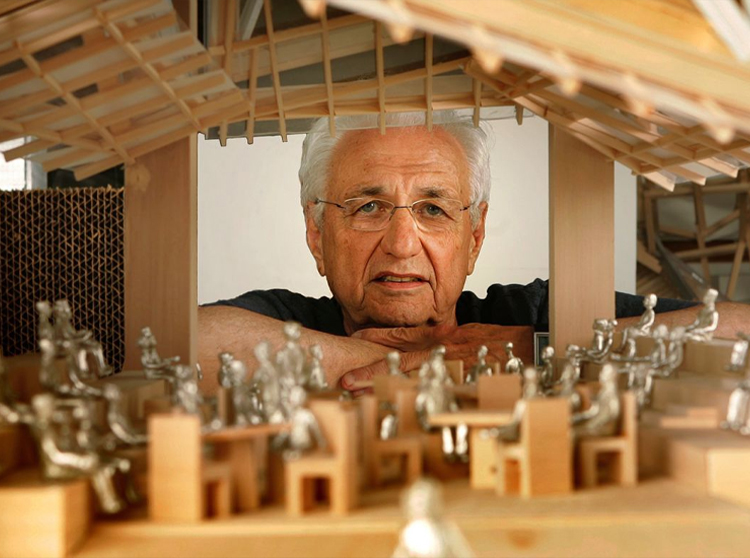
Frank Gehry, one of the world’s most celebrated and imaginative architects, has died. Inspired by modern pop art, he created striking, iconic buildings such as the Guggenheim Museum in Bilbao, the Walt Disney Concert Hall in Los Angeles, and Berlin’s DZ Bank Building. He also expanded Facebook’s headquarters at Mark Zuckerberg’s request. Gehry received numerous top honors, including the Pritzker Prize, the RIBA Gold Medal, the Americans for the Arts lifetime achievement award, and Canada’s highest civilian honor.
Despite his later success, Gehry’s career began slowly. After studying architecture at USC and urban planning at Harvard, he struggled financially, taking on public housing projects, shopping centers, and even working as a delivery truck driver. His breakthrough came with a modern shopping mall near the Santa Monica Pier. Earlier, he had gained attention for transforming a modest 1920s bungalow using unconventional materials like chain-link fencing, exposed wood, and corrugated metal.
Gehry would do just that for the rest of his life, working into his 90s to create buildings that doubled as stunning works of art.As his acclaim grew, Gehry Partners LLP, the architectural firm he founded in 1962, grew with it, expanding to include more than 130 employees at one point. But as big as it got, Gehry insisted on personally overseeing every project it took on.
He first rose to prominence in the 1970s with the design of the now-iconic Gehry House in Santa Monica, which featured twisting, interlocking forms made with everyday materials such as a currogated metal and chainlink.
From there, Gehry’s commissions proliferated. He designed the California Aerospace Museum in the 1980s and dozens of more high-profile museums throughout the 1990s and early 2000s.
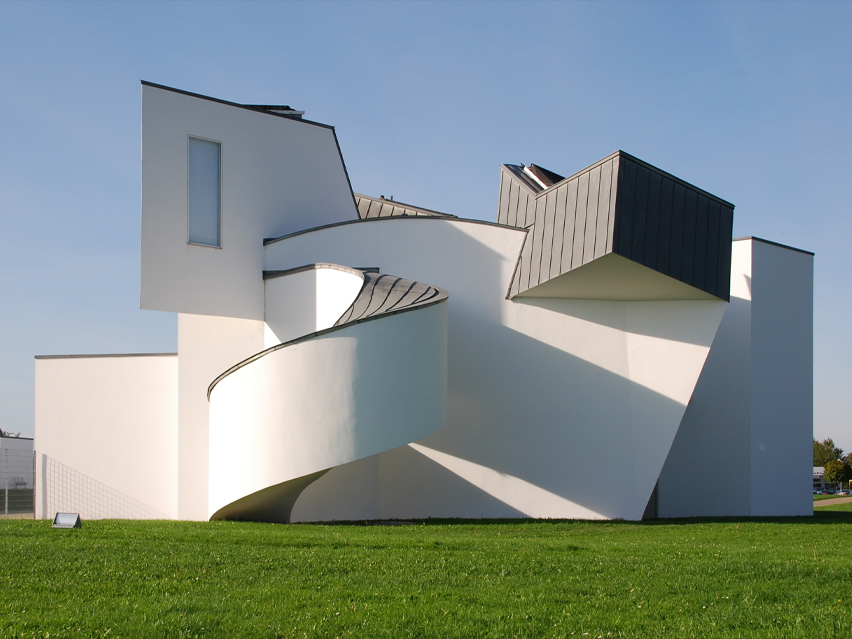
These include the Museum of Pop Culture in Seattle, the Vitra Design Museum in Germany, and the Foundation Louis Vuitton in Paris.
Beyond architecture, Gehry was also involved in furniture production, and his cardboard Wiggle chair is still considered one of the most innovative chair designs of the 20th century.