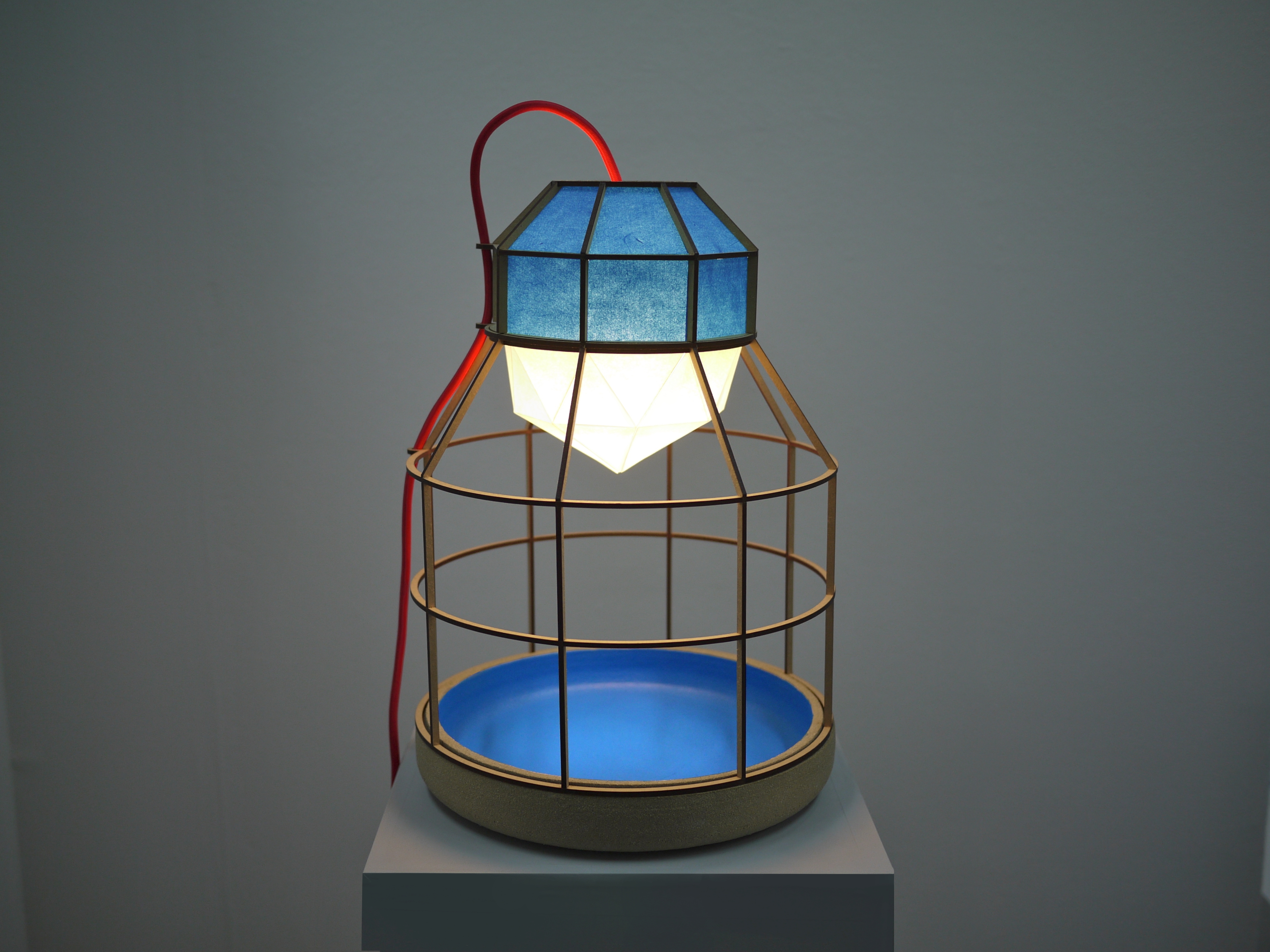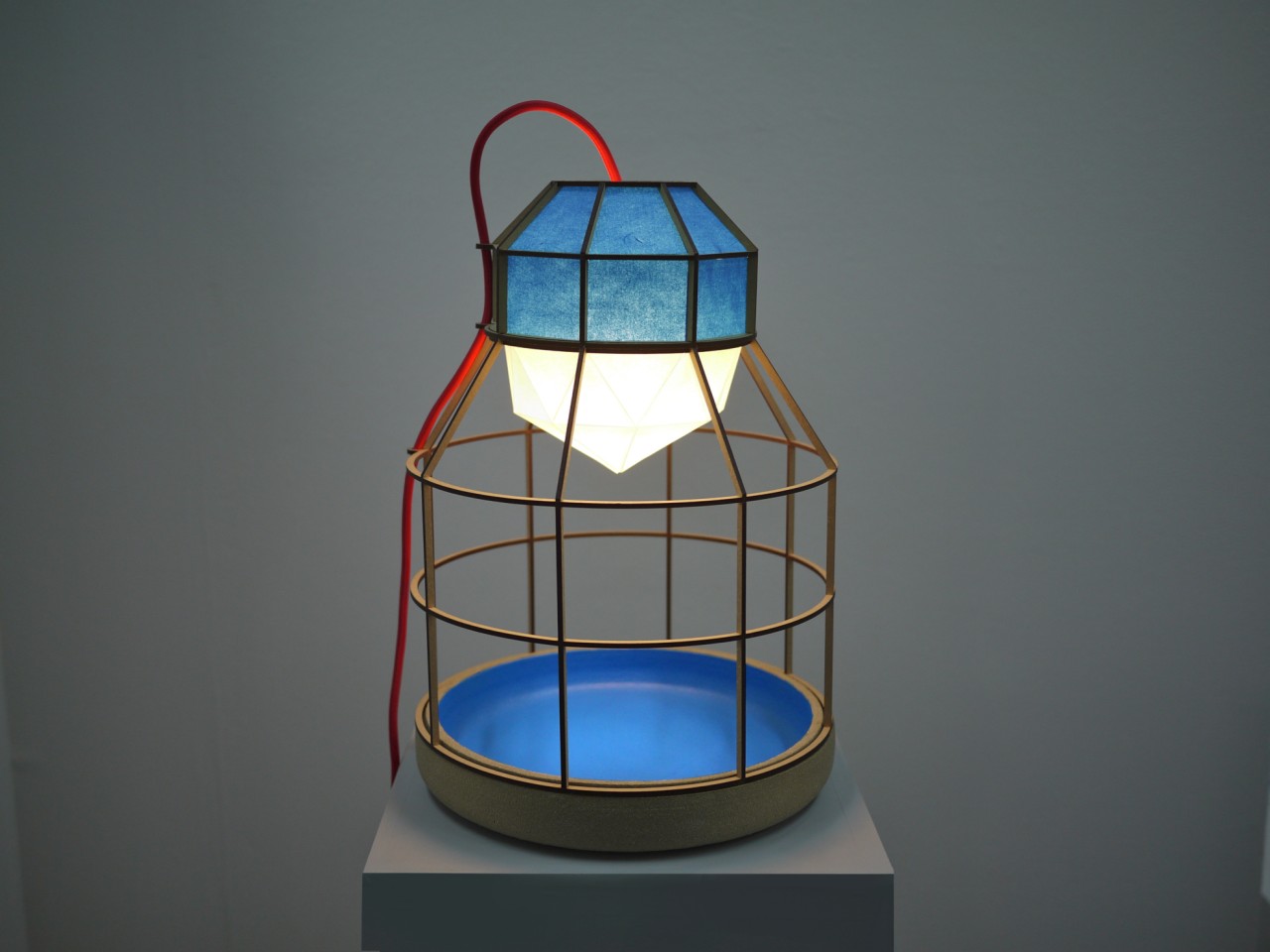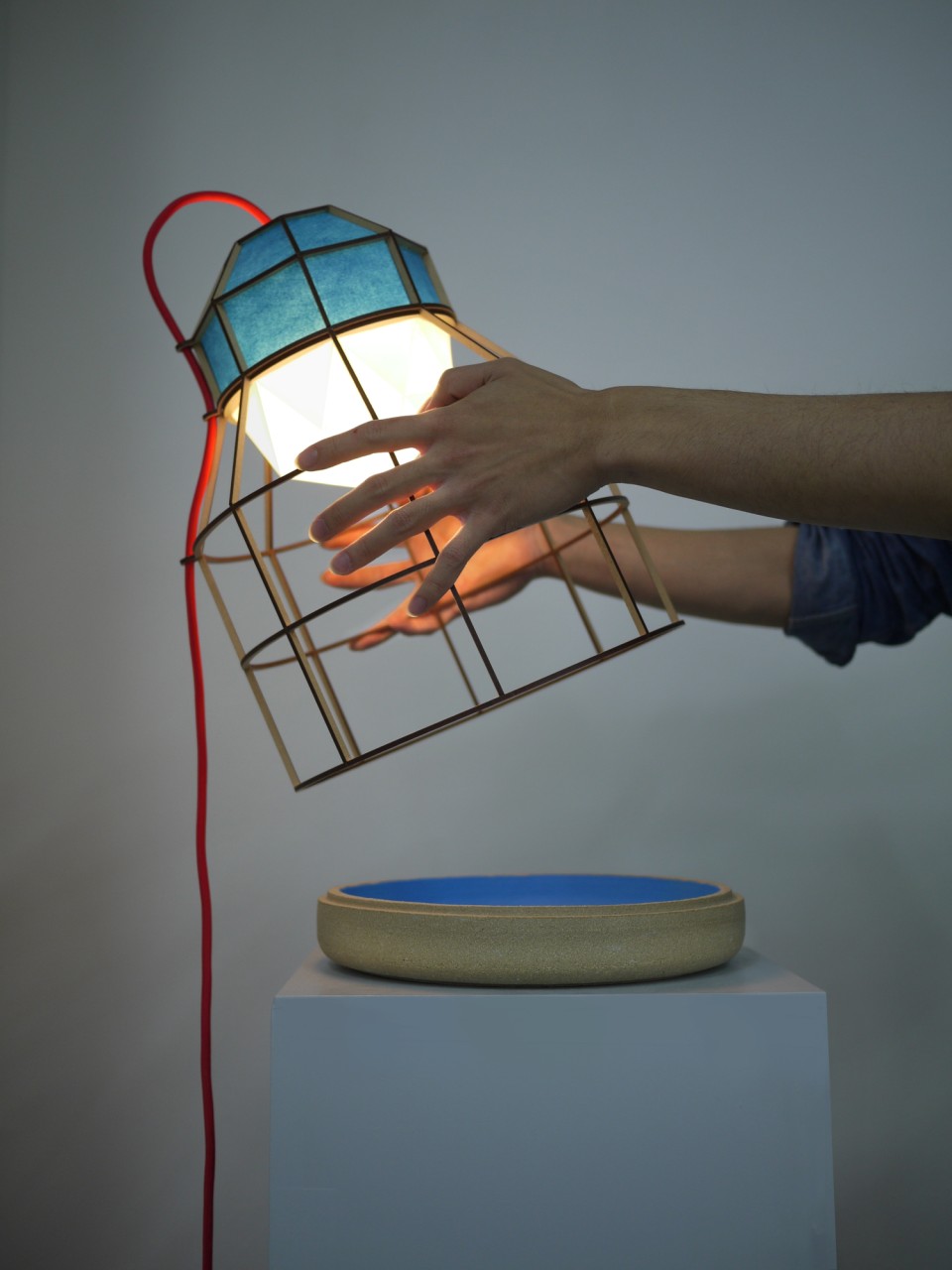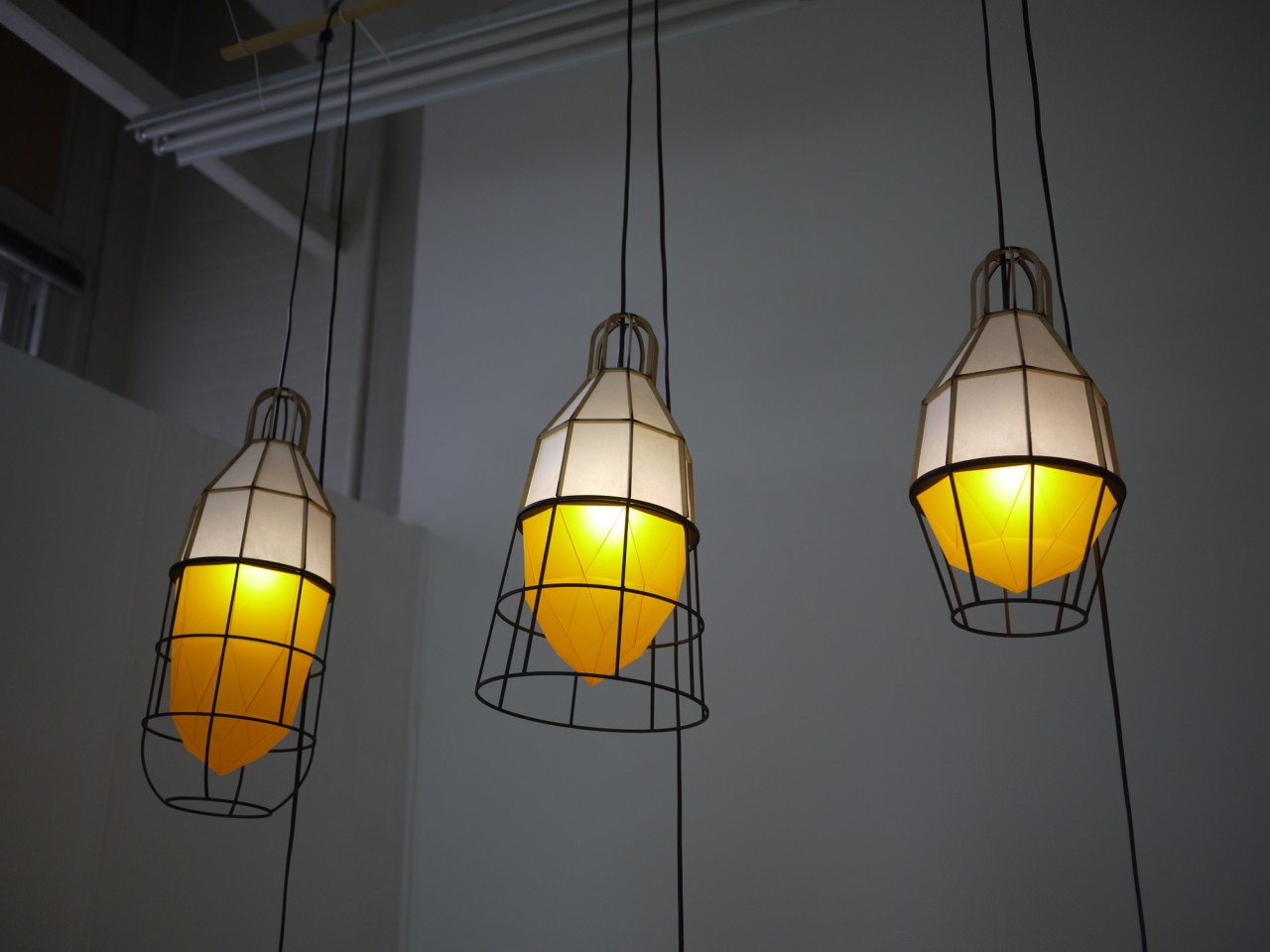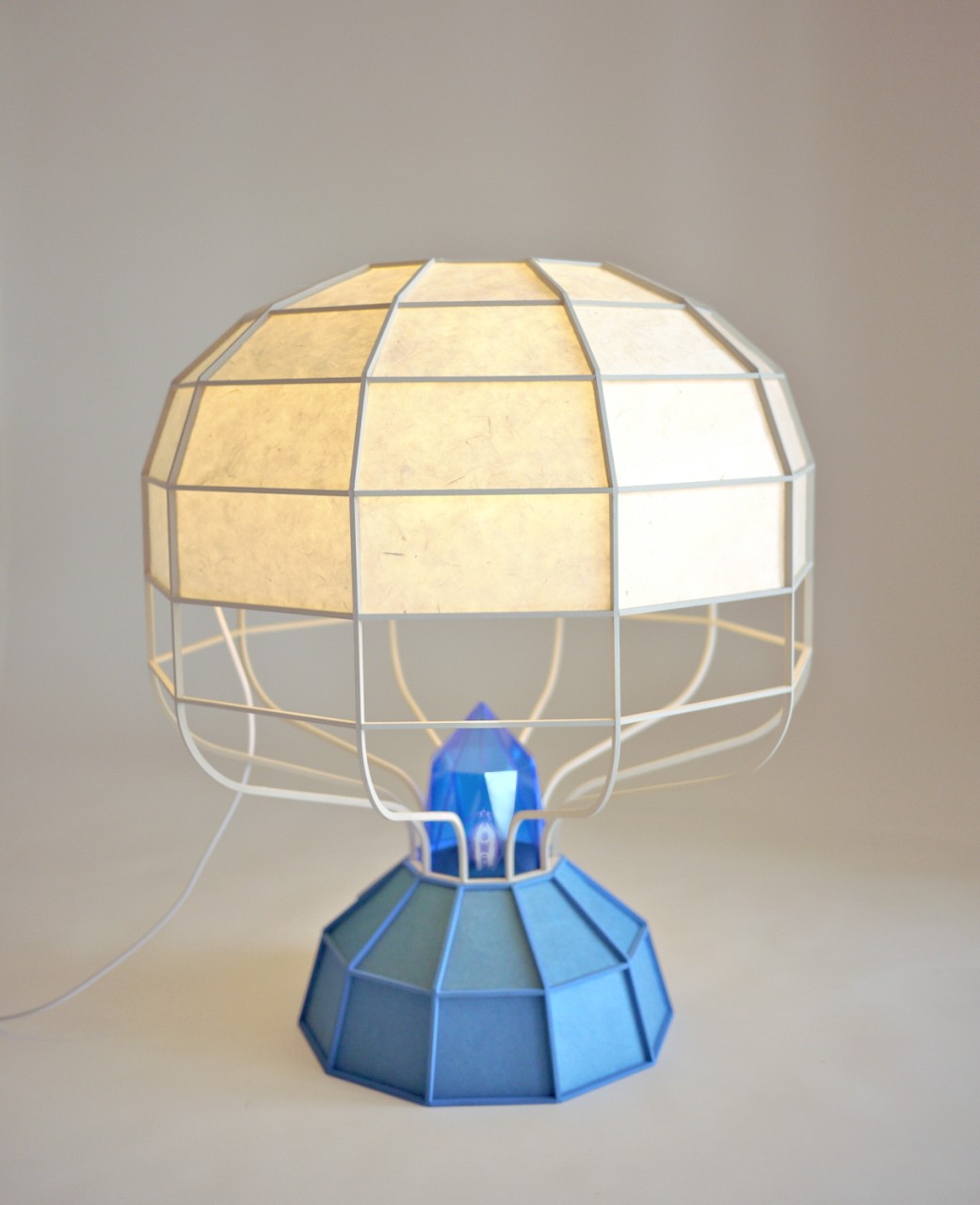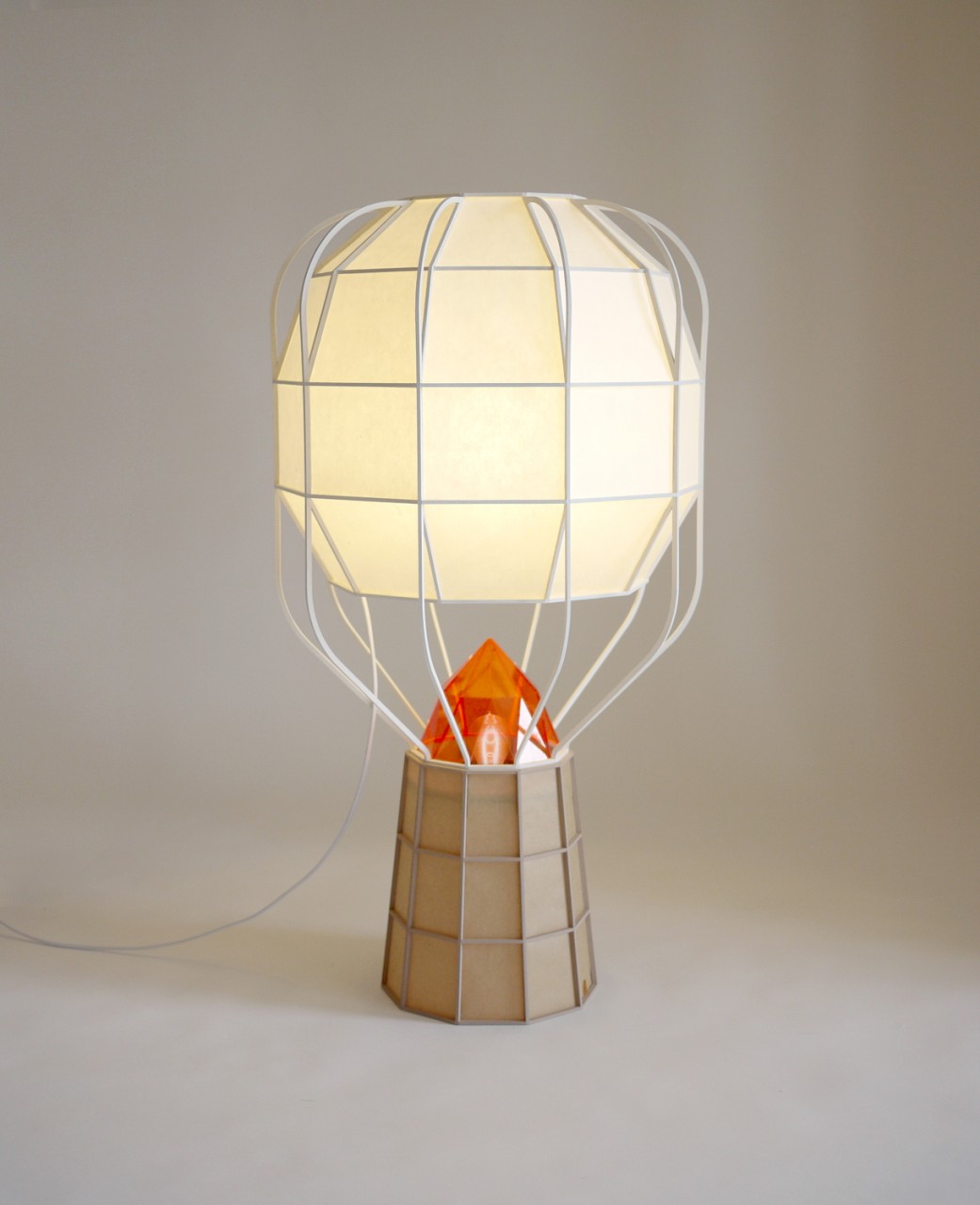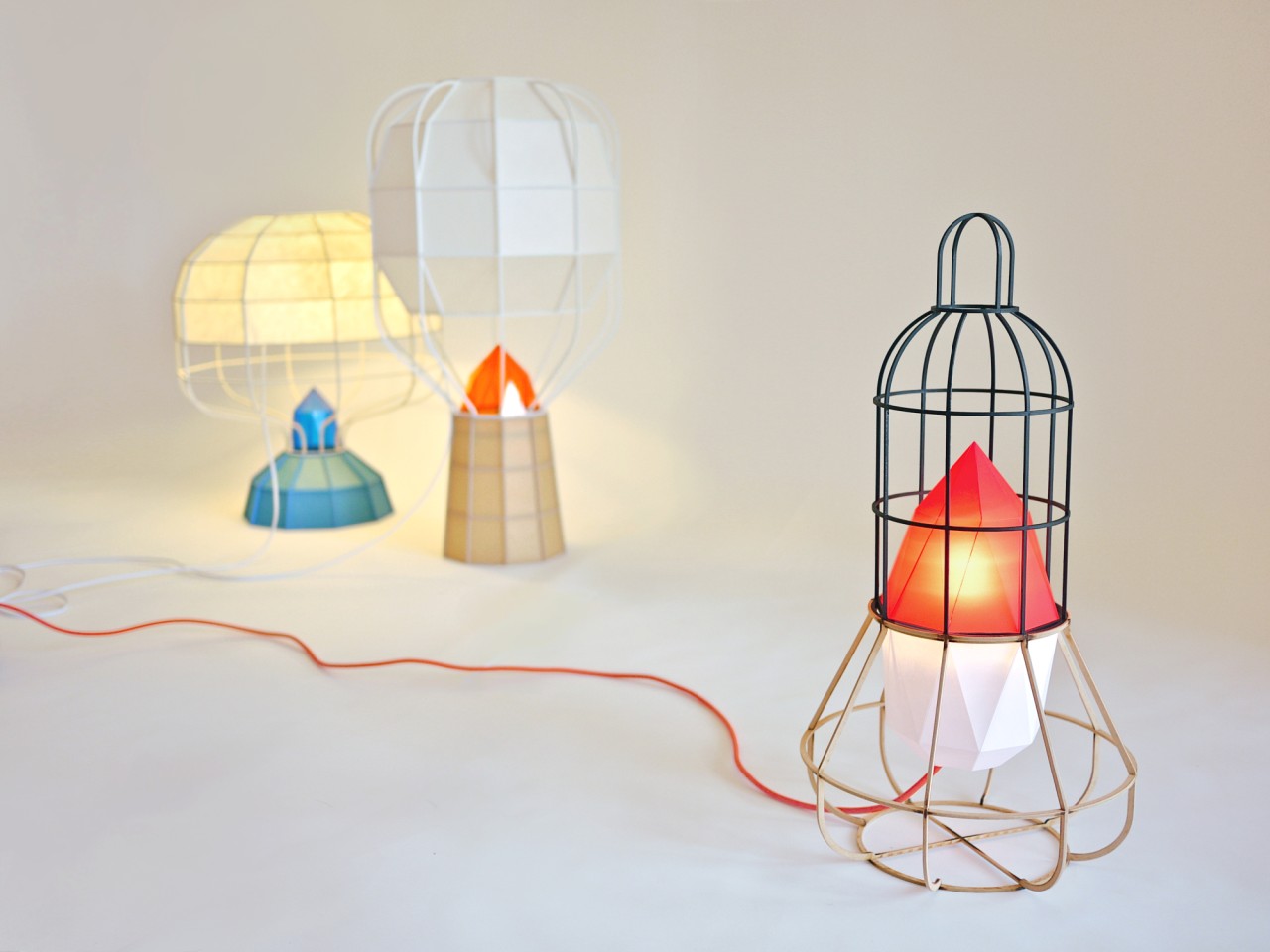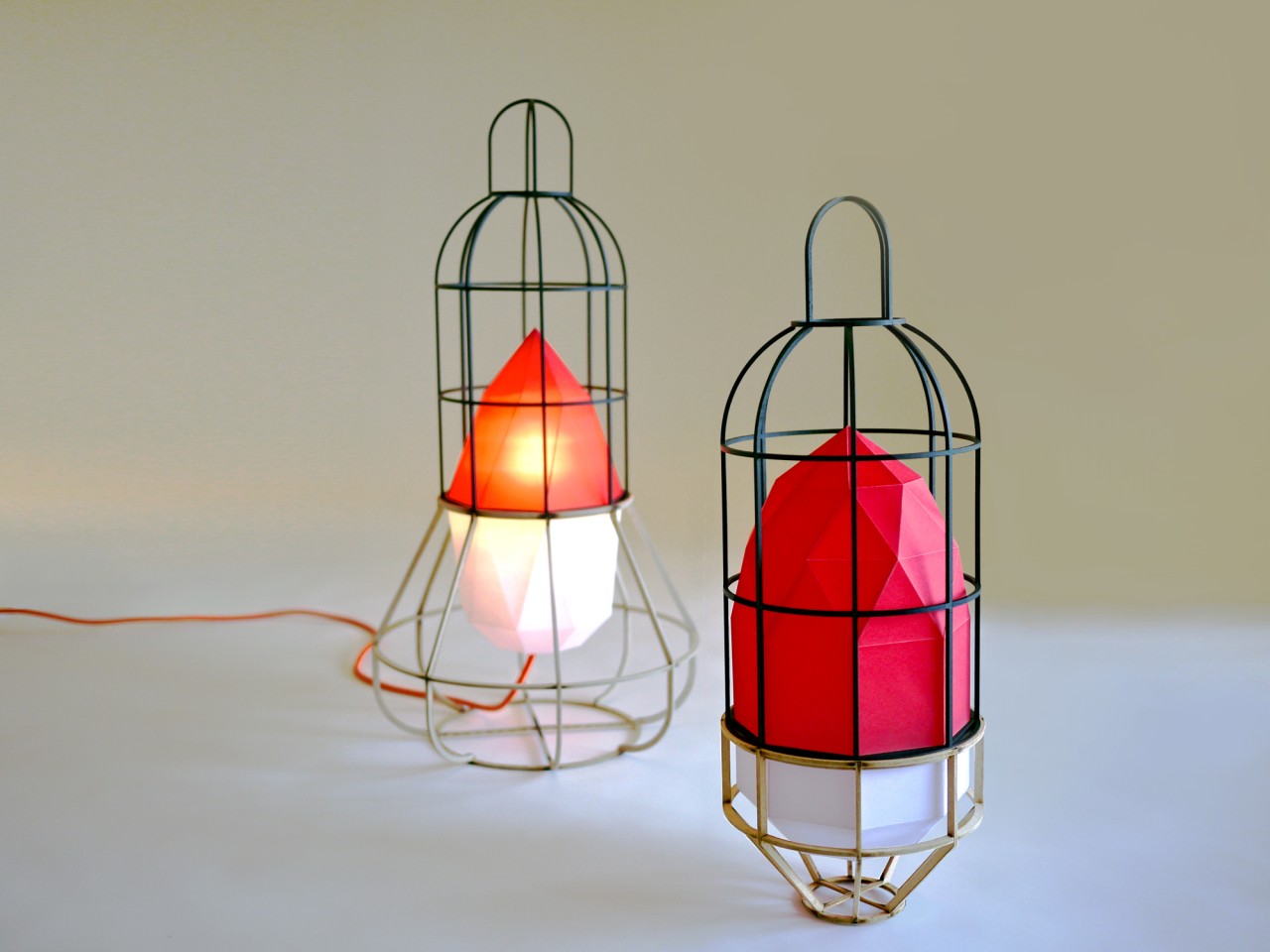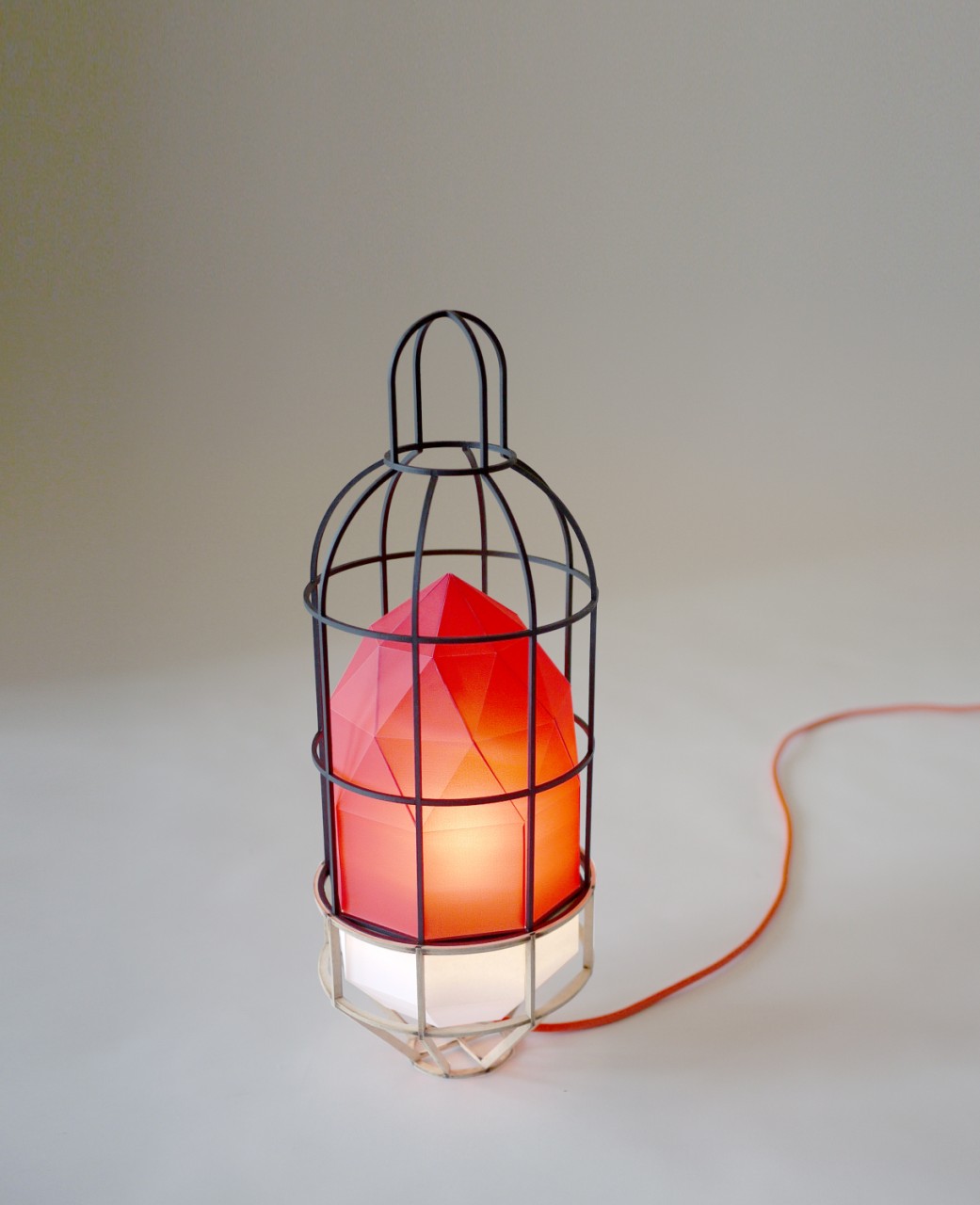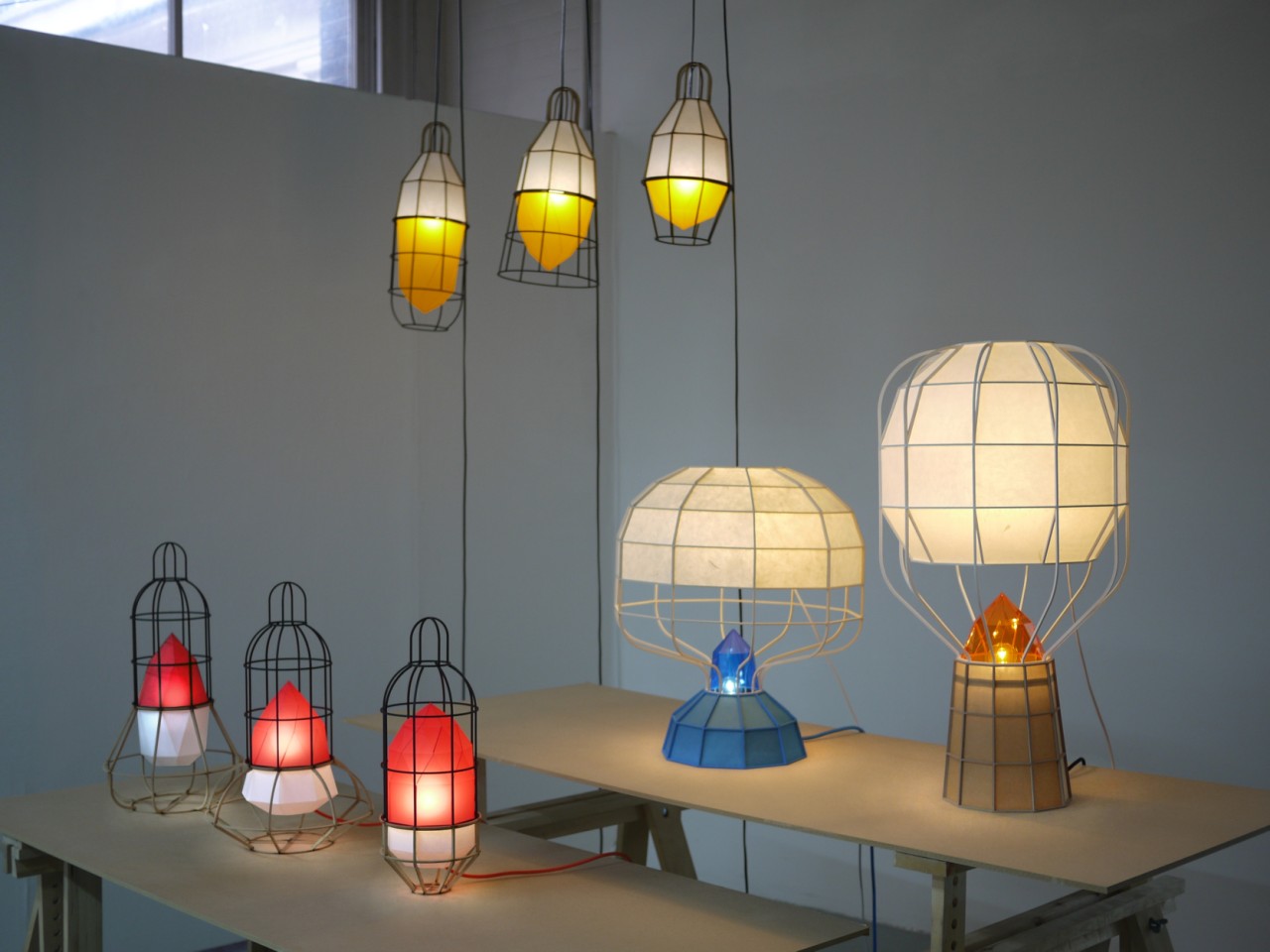








Inspiration for ‘Urban Camper Lighting Objects’ was drawn from the symbolism associated with lanterns in the cultural of east and west, and how each has found a place in the heart of the other. On a broader level, they attempt to encapsulate the contrast and contradiction in building elaborate wood cages and delicate paper shades.
There is a fundamental difference between how the notion of a ‘lantern’ is perceived in these two cultures. In the orient, the lantern is generally conceived as a lightweight portable lighting devise consisting of wood or bamboo, and paper. When wood is used, it forms the inner structure, giving shape and strength, forming a skeleton onto which paper is fixed as a membrane; it protects the inner flame from winds while allowing enough illumination to fulfil the lantern’s purpose. Images of occidental lanterns in the mind are of hard metal cages and cold glass, such as the gas lighting, which was first invented in England in 17th century, and industrial or marine lamps.
Moving beyond the different construction styles of the iconic lanterns of East and West, the original intention behind the creation of both is one and the same: to protect the light. Before the invention of electricity and the light bulb, the simplest and the most frequently used lighting might have been candles. But candles give only a weak light and have to be carefully protected from wind to prevent flickering or extinguishment. The lantern was the next logical step. These lighting objects present a homage to humanity’s taming fire for lighting, which can easily ignored by people in the modern world. The paper shades of these objects are made into diamond shapes, which is to illustrate the preciousness of lighting, and coloured in red and orange, so as to mimic the colour of fire. The wood structure provides the protection of the lighting, but unlike metal and steel, it gives a warm and natural sense to the objects.
The combination of the use of digital machinery and the craft-making process is visible throughout the process. Digital drawing plays an essential role in the planning stage due to the complexity of the structure. Laser cutting, which provides accuracy and neatness, is the main method of woodcutting. All the components are assembled by hand. Because of the heat of laser cutting, a natural burn on the wood surface is produced, some parts of the wood components are finished with hand-painted colour, and the others are sanded to reveal the original wood colour with a hint of burn at the joint. The paper craft inside is also folded and combined by hand. The challenge throughout the process was to maintain the balance between the accurate machinery contribution and the imperfect but humanly hand touch. Another intriguing part of this practice was to make the inexpensive material, such as MDF and paper, into objects that people would want to treasure and cherish through this careful and time-consuming making process.